
LGBTQ
Listening to Gay Christians

I won’t try to do deep exegesis in every blog post on LGBTQ inclusion. It’s equally worth our time to step back and be reminded that people are people and their stories do mater. I’d also remind us to be mindful of our own stories. Be mindful our own stories? Oh yes, we all have our stories.
It’s time that gay Christians are heard telling their own stories.
It’s time they are allowed to tell their own stories. I’ve noticed, and in the past have been guilty of, a need that many straight Christians feel to frame (and kinda highjack) the stories of their gay brothers and sisters. And when we do that we almost always frame their stories in a way that excludes wholeness, health (spiritual or physical), faithfulness and sincerity. So we use categories that make huge assumptions and use generalizations that do harm. We talk of the gay agenda, the gay lifestyle and we speak from assumptions that a persona’s sexual orientation is always a conscious choice. We speak of assumed abuses in childhood and will seek someone to blame for the gay person’s orientation, yet that framework just doesn’t hold up under scrutiny.
Here are three stories that I want to ask you to engage… I just today saw the video from a new, Perrin, who courageously shares his story of faith and sexuality. That’s his picture at the top of the post. Please hear him out and take him at his word about his journey of faith and sexuality.
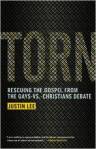 Justin Lee is someone I have named before, a brother in Christ who grew up conservative Baptist, and had to struggle with his faith sexuality. His book Torn is amazing and I highly recommend it. Justin tells his story in a sincere, gracious and compelling way. He wasn’t abused as a child and tried for years to find a way out of being gay. His story of faith and sexuality is valuable to straight Christians and needs to be heard. Justin is the founder of the Gay Christian Network and has many videos on the GCN YouTube channel.
 Matthew Vines is the amazing young man who founded The Reformation Project and has written the book God and The Gay Christian. He also grew up in a conservative Christian home and was not abused. I think he’s done a great job in telling his story and helping advance the conversation we need to have about how we read and interpret our scriptures. Matthew has videos available on his YouTube channel as well.
Even as I share these links and names, I have a lump in my throat. Please, don’t go troll them or say un-Christlike things on their media feeds. As the biblical writer James encourages us, let’s “be quick to listen, slow to speak and slow to become angry, because our anger does not produce the righteousness that God desires.” Let’s all seek to learn and listen, and seek God’s righteousness without anger.
AMDG, Todd

Reasons to Look Again at LGBTQ Inclusion
 I can’t explain in just a few blog posts my total journey to where I am today on LGBTQ issues and how I have come to be affirming of LGBTQ inclusion in my reading of the scriptures. It will take a lot of posts, but we have to start somewhere. I’ll start with a quick discussion of why I decided to dig into this whole issue and to see if there were another way I might read and interpret the scriptures, other than the way I had been taught. This blog post will also specifically discuss 1 Timothy 1:10 and the challenge of interpretation.
People, Not Issues
I cringe when I use the word issues, because we’re talking about people. We’re talking about valuable, beautiful people made in God’s image. People are not issues, but the word fits the way we have approached the question of understanding sexual orientation in light of the scriptural witness. We’ve tackled the question like we would proof-text a sermon on tithing, murder or not telling lies. But, we’re talking about people here, and the way they experience life at the deepest levels of being; we’re talking about who they are.
If we recognize that we are talking about people, then we are rightly reminded to move with the utmost grace, mercy and care. As we talk about people we need to be aware that the zinger passages used to so quickly condemn our LGBTQ neighbors for their same sex orientation or their committed relationships are not as crystal clear in the language or context of scripture as they might appear at times in our English translations.
For years it seemed unfair to me that scriptural writers, mostly Paul, would build “sin lists” that were composed of naughty things almost anyone could do, sinful acts, like rage, drunkenness and envy, or even biggies like murder and slave trading, but also include something that is who a person is, and not what they do. Anyone and everyone has the potential to choose or not to choose the listed bad actions at various times in life, including slave trading until very recently in history, except for the being gay part. I would see the word homosexual in an English translation or sodomites and a chill would run down my spine. We seemed to make a shift there in an important way from what some people did wrong to a way to essentially be wrong.
An oft quoted passage in this respect is 1 Timothy 1:10 and it’s surrounding context. It’s one of the places that translators have sometimes used the English word homosexual and historically have often used the very problematic word sodomites. We’ll take a few minutes to look at the ways that verse is translated and what challenges we face in interpreting the verse.
The Distinction of Doing and Being
I’m not the first to worry about a shift in wording from bad acts to bad people, from doing to being. We can sometimes see an English translation trying to make this very point by changing their words to read “practicing homosexuals” instead of just homosexuals, such as the change from NIV (perverts) to TNIV (those practicing homosexuality) or in the ESV. It’s terribly important to wrestle with verses like 1 Timothy 1:10. I believe this shift in some translations also highlights that many interpreters are realizing that they can’t assume gay people have all made the conscious decision to be gay in rebellion against God. Gay Christians have started telling their stories more freely and it’s often the case that they spent years not wanting to be gay, in direct conflict with the moralizing arguments of straight Christians that they are simply being obstinate. If they didn’t choose to be gay, and we still don’t want to be affirming, then we lose some validity in interpreting verses like 1 Timothy 1:10 as a condemnation of being gay and are forced to fall back on specifically condemning gay sexual activity. That is a problematic shift that we’ll talk about more in another post; the idea that a Christian might be gay other than by conscious choice, and therefore must also be forced into celibacy or forced into normative heterosexual behavior is a very disturbing idea, especially if we say it’s God’s idea.
The range of ways a single word in 1 Timothy 1:10 might be translated should give even a casual reader of the Bible some pause. A quick Googling of the word arsenokoitais shows the far ranging disparity of our understanding and the depth of our heated debate over the word. Here’s a sampling of our struggle to make sense of this passage in the way some of our English Bibles translate and interpret the Greek word arsenokoitais.
Arsenokoitais in 1 Timothy 1:10
them that defile themselves with mankind, King James Version
homosexuals, New American Standard Bible
homosexuals, New Living Translation
homosexuals, The Voice
perverts, New International Version
sexual perverts, Good News Translation
those who have a twisted view of sex, New International Reader’s Version
those practicing homosexuality, Today’s New International Version
men who practice homosexuality, English Standard Version
sodomites, New King James Version
sodomites, Revised Standard Version
sodomites, New Revised Standard Version
Sodomites?
“Sodomites” sounds pretty straightforward, because Sodom was destroyed over their sin of homosexuality, right? I was taught this and you probably have been taught it, too. The problem is that we don’t have any scriptural witness that Sodom’s destruction and homosexuality are linked. Except for the horrific attempted homosexual rape detailed in Genesis 19 biblical writers point instead to the people’s neglect of the poor, general sexual depravity, pride and arrogance for their destruction. We associate homosexuality with Sodom because of the attempted homosexual rape of the angelic visitors in Genesis 19. This has become our habit, but is not necessarily justifiable. Equating all homosexual activity with homosexual rape is about as nonsensical and fair as equating all heterosexual activity with heterosexual rape. Sodomy is a fairly recent word on the world stage being coined in the 11th Century. The word homosexual only came into being in the last Century, a bit over 100 years old. Nether should be used in English translations.
We should be very interested in stopping the use of the words sodomy and sodomites, especially in our English translations of the scriptures. The inception and subsequent use of these words has created and bolstered a false perception of why Sodom was destroyed and unjustly links people who feel same sex attraction to same sex rape and Sodom’s demise.
Why was Sodom destroyed?
Sodom as mentioned before its destruction…
- Genesis 13:13, they were non-specifically “wicked, great sinners”
- Genesis 18:20, “How great is the outcry against Sodom and Gomorrah and how very grave their sin.” No mention here of sexual sins, even without specificity.
The story of Sodom’s destruction…
- Genesis 19:4-5, “Where are the men who came to you tonight? Bring them out to us, so that we may know them.” This is the infamous attempted homosexual rape that was a moment of tangible proof to the angels of the previously mentioned depravity of Sodom.
How biblical writers spoke of Sodom after its destruction…
- Deuteronomy 32:28-34, sins associated with Sodom & Gomorrah are having a “void of sense” and “cruelty.”
- Isaiah 1:8-25, the sins associated with Sodom & Gomorrah are many, but not anything about same sex rape or relations. The faithful have become a “whore” by their lack of justice, murder and oppression.
- Jeremiah 23:12-14, associated with adultery and lies.
- Ezekiel 16:44-58, the sins of Sodom are arrogance, overindulgence, ignoring the plight of the poor and doing detestable things in the sight of God, none of which is in language pointing to any specific same sex activity, and this language may or may not reference the attempted rape of the angelic quests of Lot. In this passage God also accuses Israel of practicing the sins of Sodom and even doing more, which has interesting implications if we choose to make homosexuality or homosexual acts to be Sodom’s great sin.
- 2 Peter 2:1-14, there are a lot of things mentioned in this passage, and by association we can attribute sexual depravity to the people of Sodom, though nothing in the passage points to same sex relations or activities. The sexual sinfulness listed is nonspecific sensuality, along with lawlessness. Nothing specifically points to same-sex activities.
- Jude 1:7, This passage again associates nonspecific sexual sin with the destruction of Sodom and Gomorrah. The sexual immorality mentioned is ekporneusasai, or unchasteness. The other sexual sin is yearning for sarkos heteros, or strange flesh. You can recognize the root there of our word heterosexual, one who is sexually attracted to the opposite gender. It’s a huge stretch to make sarkos heteros a same-sex attraction or activity, and in fact it seems more likely to tie into the presence of angelic beings in the chapter, maybe the attempted rape of the angelic visitors in Genesis? It’s hard to imagine strange flesh being a description of same sex attraction.
Surprised that homosexuality is not the sin that destroyed Sodom?
Does it shock you that we have been taught something for so long and with such conviction that ends up being a total conjecture without a strong base in the scriptures? Are you surprised that we have developed language and continue to use words that make a connection between homosexuality and Sodom that is not at all supported in scripture? The attempted rape in Genesis 19 hardly seems to be remembered at all by biblical writers who focus on other aspects of Sodom’s general sexual sins and rebellion against God and their subsequent sudden destruction.
Not only is homosexuality not the point of Sodom’s punishment, but in trying to make that case we completely miss the strongest points made by biblical writers that Sodom’s punishment is an example for the totality and completeness of God’s punishment against a people’s rejection of justice and their practice of exploitation against other people. Jesus will use Sodom as a example of God’s anger against places that reject the apostles and himself as Lord in Matthew 10 (parallel in Luke 10) and he’ll mention Sodom again in Matthew 11 as a people who would have repented and been saved had they seen his miracles. Another time that Jesus mentions Sodom (Luke 17) it is in reference to the suddenness of the final day of judgement for the world. Jesus does not associate any sexual sin to Sodom in his teachings.
Let’s stop using the words sodomy and sodomites. The words are a misappropriation of Sodom’s story and create a mistaken association between homosexual orientation and the story of Sodom’s sin and destruction. This is an appeal to be more respectful in our handling of scripture. I would almost be OK with using the word sodomy if it was exclusively meant to denote homosexual rape, but even that use that would deny the fact that saying sodomy could just as legitimately denote arrogance or neglect of the poor, according to scriptural witness. Best to leave the words behind.
Male Bedder, One Who Beds a Male
Even if we can agree to stop using sodomites in translating 1 Timothy 1:10, we still have to talk about the problem with interpreting the word arsenokoitais as homosexual. The word might be literally translated male-bedder or a male who beds a male, leaving quite a bit of room for interpretation. Is it all same sex activity? Is it only male same sex activity? We have to think about how Paul uses the word and other words around it in context.
We need to have to have a discussion of the choices we make in interpreting certain Greek words into English. Arsenokoitais is a rare word in Greek, without the breadth of use and record that many Greek words have to help us understand it and how to use it in translations. Because it is a contraction, using the Greek words for male and bedding (the act of sexual intercourse), it opens the question to which bedding of a male Paul is referencing. If Paul meant a sweeping statement against all homosexuality, why this choice of words, indeed why create a word contraction, that only speaks of bedding males?
The Septuagint Argument. Some will argue that Paul is making a contraction of the words used in the Greek translation of the Old Testament at the prohibition against one male bedding another male in Leviticus 18:22 & 20:23, and therefore he means a blanket and total rejection of any and all male same-sex intercourse. This interpretation raises a lot of questions in my mind.
Do all of the Levitical proscriptions, from that passage and others, then hold as valid for his audience and for us? It’s a fair question. If Paul’s intention was to bind specifically the Levitical proscription on males bedding other males upon the Christian community, then should we also impose the banishment and/or death sentences prescribed in those passages for transgressors? If not, why not? Does he do this with other words and Old Testament proscriptions? Why not just quote the passage or throw in an “as it is written” to help us and his audience know what he’s doing?
The similarity of the language, because he contacts forms of the words used in the Septuagint translation, creates a compelling set of questions. It’s not as cut and dried as it might seem to decide that Paul is simply bringing a Levitical proscription against all same sex orientation or activities into the New Testament, as fully in force and relevant, with this one word.
Since Leviticus is only be speaking to males, does that mean that lesbians are being ignored in that passage, and therefore women are free from any impact of Paul’s masculine language to Timothy as well? I know that you may want to point to Romans 1 here, and we’ll talk about that passage in another blog. What does it mean that the Leviticus proscription speaks only to males, and we have in our tradition of interpretation often used English words in 1 Timothy 1:10 which speak only to males? Why does the this sexual activity call for banishment in Leviticus 18 and then death in Leviticus 20? Why the repeat and harsher punishment? Reading Leviticus into Paul’s wording is problematic.
The Context Argument. Others will point to the surrounding words of Paul’s use of arsenokoitais, both in 1 Timothy 1:10 and 1 Corinthians 6:9 to help us find meaning. The sexual words words used in this cluster of sins, in both passages, have to do with issues of prostitution, abuse, slavery and pederasty (sex between an adult male and an adolescent boy). The context might then argue for the idea that Paul is listing the abusive and unjust same-sex practices of his day, often involving the sexual use of children and slaves. Malakoi is a term denoting passivity. Pornoi is a word in its masculine form that refers to sexual immorality, specifically referring to prostitution when it occurs in its feminine form . Andropodistai is translated as save dealer or even kidnapper. In context, as these words are also being used in proximity with murder, lying and perjury. It’s a compelling argument to read arsenokoitais as instances of sexual abuse and coercion against those who cannot give adult consent to the sexual acts (adolescent boys and slaves). In the context of 1 Corinthians 6:9 the sin list including arsenokoitais is a transition moment from specifically talking about lawsuits between Christians to those having sex with prostitutes, neither of which inherently have any direct relation to a person’s sexual orientation but deal with justice and fidelity.
As the practices of both sexually abusing one’s slaves and the pederasty of an adult male having an adolescent or much younger male as a sexual companion alongside his heterosexual marriage would have been practices in existence and holding various levels of acceptance in the Paul’s day, he would have been quite prophetic, counter-cultural and correct to speak against them as outside biblical standards for sexual behavior.
Common Ground
I also find our possible common ground in reading the passage in 1 Timothy 1:10 to be very compelling. We can all agree that abusive sexual practices, like pederasty and the abuse of slaves, along with the sins of murdering parents and committing perjury, are activities we need to vehemently oppose. In the larger context of 1 Timothy 1 we can see that Paul is contrasting a way of teaching which promotes gospel and love against one that promotes divisiveness and distraction. We can all, gay and straight, stand together to affirm the wrongness of sexual coercion against minors and slaves, of prostitution, of kidnapping, of murder and of telling falsehoods.
This is firm ground on which we really have no disagreement. Christians, gay and straight, can affirm Paul’s message of opposing sexual coercion and abuse, both heterosexual abuse and homosexual abuse. Let’s start at our common ground. We can all affirm both the nightmare wrongness of the rape story in Genesis 19 and the many ways that Sodom becomes a warning of pride, arrogance, neglect of the poor and excessive sexuality for all the church as highlighted by the biblical writers in reference to Sodom’s destruction. There are other passages to discuss and many questions to cover, but isn’t it great that we have some strong common ground?
Conclusion
I’m going to wrap up because this has been a long, long post. I’ve been trying to remind us of some important points about our scripture and interpretations on sexual orientation and activities, specifically when we’ve chosen to use the word homosexual or sodomites in translating scripture.
- We need to remember our mandate to speak to and of people with grace, mercy and love. Good teaching can uniquely increase love and break down walls of divisiveness.
- We can often think a passage is clear and unmistakable in its meaning through the choices that have been made by the interpreters and translators, but then can find it’s not so crystal clear when we dig in.
- Our scriptures do not teach that Sodom was destroyed for a conjectured sin of homosexuality and we need to correct our use of the words sodomy and sodomite, and correct our teaching and association of a sexual orientation with the destruction of that city. That association colors the way read passages referring to Sodom and keeps us from engaging those passages in a meaningful way.
- Homosexual is a very new word that defines a person’s sexual orientation and is not a logical equivalent or interpretation of the abusive same sex activities of pederasty and slave abuse that Paul would have seen in his contemporary society and then lists alongside murder and lying in his letter to his friend Timothy.
- Our common ground on reading this passage is compelling! We can all stand together against sexual coercion and abuse, as well as murder and untruth. Christians, gay and straight, can stand together in our desire for faithful covenant, fidelity, mutual support in committed relationships and monogamy within our sexuality and sexual activities. We need to celebrate that common ground.
This is much bigger discussion than just one blog post, and there are many other zinger texts that get thrown around, including the ones we mentioned from Leviticus and Paul’s letter to the Romans. We also did not specifically begin to address the patriarchal worldview which informs this discussion. We’ll have to do that, soon.
I hope that at the beginning of our journey you can see how valuable it is to keep an open mind and active love for all people. Scripture is amazing, and our invitation to journey with it, wrestle with it and live into it is very exciting! We have a long way to go, and I hope we go that way together. God is good.
AMDG, Todd
Stop the Spiritual Competition
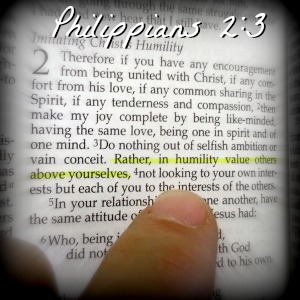 Let’s agree to put an end to competition in spiritual matters, shall we? I’m talking about the need that we too often feel to assign motives and deficits of sincerity and spiritual wholeness to people who don’t agree with us. I’m also specifically talking about the gross misappropriation of scriptural passages to frame disagreement in a “I’m right because I love God” and “You’re wrong because you don’t love God as much as me” contest. In essence, it’s a form of spiritual extortion. If I disagree with someone, it is not kind, gentle or loving to create a dichotomy of motives in which I am seeking to please God and they are obviously just pandering to cultural and secular voices.
It’s Disrespecting of the Scriptural Witness.
We can and will disagree on religious and spiritual matters, regardless of the subject or text in question. To have a civil, Christ-like disagreement, we must give the benefit of the doubt to one another. When someone speaks of their faith, their sincerity, their love of God, their motives, their beliefs, their respect of scripture, or really anything, they should be taken at their word.
Yes, the scriptural writers said some things about motives:
~ Paul in Galatians 1:10, TNIV… “Am I now trying to win human approval, or God’s approval? Or am I trying to please people? If I were still trying to please people, I would not be a servant of Christ.”
~ Peter and John and then others in Acts 4:19 & 5:29, NKJV… “But Peter and John answered and said to them, ‘Whether it is right in the sight of God to listen to you more than to God, you judge.'” and “We ought to obey God rather than men.”
~ Paul again in 1 Thessalonians 2:4, NLT… “Our purpose is to please God, not people. He is the one who examines the motives of our hearts.”
~ And Paul’s important and beautiful sentiment in Romans 12:1&2, CEB… “So, brothers and sisters, because of God’s mercies, I encourage you to present your bodies as a living sacrifice that is holy and pleasing to God. This is your appropriate priestly service. Don’t be conformed to the patterns of this world, but be transformed by the renewing of your minds so that you can figure out what God’s will is—what is good and pleasing and mature.”
What we do not find in these scriptures or in other passages is a license to blanket our brothers and sisters who disagree with us with the intention or motive of pleasing people more than God. In fact, please notice that Paul affirmed it is God who judges hearts.
I’m willing to accept that those speakers in the New Testament had sufficient knowledge to express their own motives, and I accept them at face value. I am not however willing to listen to Christians quote and paraphrase the same words in ways that paint those who disagree with them as not wanting to please God or to follow God’s lead. That kind of thing is a gross misappropriation of scripture and needs to stop. It doesn’t help us move forward or create meaningful dialogue. Instead, it violates in word and spirit the command of Christ, “Stop judging others, and you will not be judged” in Matthew 7:1, and verses 1-6 for a greater context and exposition.
It’s Disrespecting of People.
Why am I writing about this stuff? I’m sick and I’m truly tired of the accusation, explicit and implicit, that I am affirming of my LGBTQ neighbors because I seek to please people more than God, or because I choose to follow the voice of culture above the voice of God. I am sick of others having to deal with that accusation and maligning of their motives.
I regularly give my non-LGBTQ-affirming friends and neighbors the benefit of the doubt that they are sincere and trying their best to both follow God and love people, as I do with them on other points of theological and exegetical disagreement. It’s only fair to take people at their word when they say they don’t hate someone. It’s fair to take people at their word when they say they want to please God and when they believe they are pleasing God. If their choice of words and actions do turn hateful, I won’t hesitate to point that out, and have on occasion such as here and here.
Honestly, it’s this kind of disrespect that keeps us from having meaningful dialogue and sharing on so many points of disagreement. We must be careful of what I have started calling “Self-Marginalization.” Self-marginalization happens when we speak and act in such a way that others are repelled and prohibited from engaging us. As Marshall McLuhan warned us that “the medium is the message” we would do well as Christians to make sure that our medium is not the language or action of spiritual competition, disrespect or un-Christlike judgement.
I’ll end with these words from the Apostle Paul, some of my most favorite’est Pauline verses in Philippians 4:4-8, CEB. These words reject competition and domination. These words orient us to gratitude and service. These words ring with grace and wisdom…
Be glad in the Lord always! Again I say, be glad! Let your gentleness show in your treatment of all people. The Lord is near. Don’t be anxious about anything; rather, bring up all of your requests to God in your prayers and petitions, along with giving thanks. Then the peace of God that exceeds all understanding will keep your hearts and minds safe in Christ Jesus. From now on, brothers and sisters, if anything is excellent and if anything is admirable, focus your thoughts on these things: all that is true, all that is holy, all that is just, all that is pure, all that is lovely, and all that is worthy of praise.
AMDG, Todd
An Ally’s Repentance And Confession
 With a heart heavy and sick over the pain, alienation, rejection and struggle of my cherished LGBTQ neighbors and sisters and brothers in Christ, I make this sincere repentance and confession public: I have been too quiet an ally. I’ve coasted easily along in my too passive affirmation of my LGBTQ neighbors, and I am sorry. I was wrong.
I’m “TORN” As I Write These Words
This is not really about me. This about my LGBTQ neighbors, my beautiful LGBTQ sisters and brothers who have had to speak for themselves for far too long as I held back. And yes, with the little paragraph title above I am shamelessly and joyfully putting myself into the story of Justin Lee‘s book, Torn. In his story is where I want to be. In his story, and stories like his, is where I intend to live and breathe and speak. It was reading his book last year that started an itch in my soul. I knew I was too quiet, I knew I must do more, but I didn’t.
My Privilege Is My Hurdle
 I’m an educated Caucasian, male, heterosexual, Christian, clergy… does it get any more privileged than that in the West? I don’t have to talk about things I don’t want to talk about. I don’t have to defend who I am or apologize for myself, or for displays of public affection, or who I fall in love with, or who I want to marry, or if I can call myself a Christian. This is my privilege, and this is my hurdle.
I have chosen to speak out for marriage equality before here and here, and I even said that I’m not scripturally or spiritually condemning of my LGBTQ sisters and brothers, and I even promised to speak more about the biblical reasons and my journey to that position, but then I didn’t. And no one called me out on it. No one said, “Hey, you said you’d talk more about this!” And so I didn’t. So I sat in my privileged silence.
I repent of that silence. I repent that I have not been a strident, informed, vocal and down right annoying ally for my LGBTQ neighbors. I have waited too long and been too quiet, but no longer. Why now? People are funny. Among straight allies we have this stupid one-up-manship thing going on. No matter when I came out as an ally, another ally had been out longer and told me how late I was and attempted to passively or aggressively shame me. It’s happened again and again, and honestly it’s held me back. Allies seem to love their LGBTQ neighbors, but not other allies very much. That’s probably a sure sign of a disturbing stream of paternalism, my friends. We have to be careful. This past weekend I listened to some amazing LGBTQ people sharing their stories of the years and years it took them to finally be honest about their sexuality and find wholeness. They had long journeys to speaking out. They emboldened me. Their stories matter most here, not mine. I am joining their journey, and I’m so blessed to have been loved and welcomed. I am blessed to have them as my allies.
God and The Gay Christian
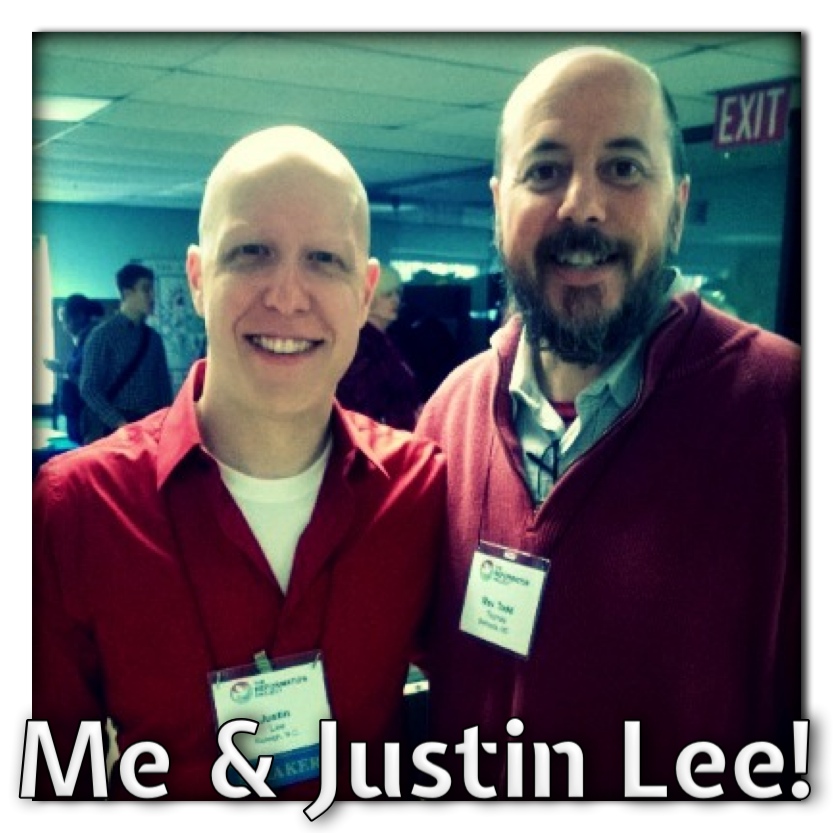
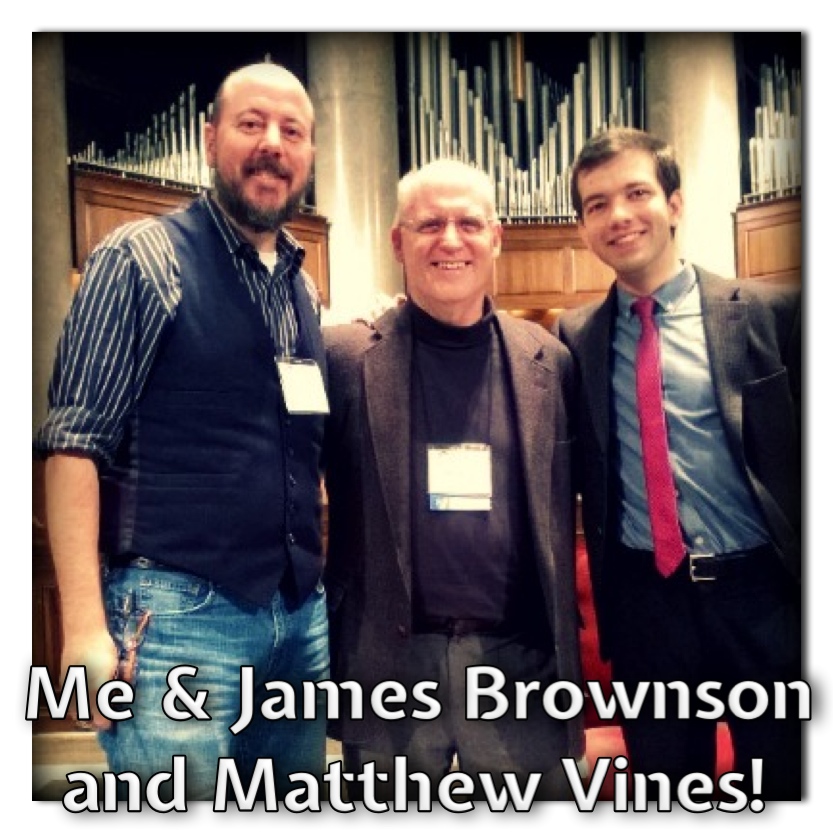 Last year I read Torn by Justin Lee (two years ago I got to sit at the Wild Goose Festival and have a beer and slice of pizza with Justin and just chat: still a cherished memory). This year I read Matthew Vines‘ book God and The Gay Christian. When I read it I knew I being called from my silence and I purposed to attend The Reformation Project conference in DC this past week. What a blessing that was for me. I sincerely pray it was as much a blessing for every other ally and especially every other LGBTQ brother and sister who attended.
Matthew’s cherubic face makes me feel old and his scholarship makes me feel dumb. Thank you, Matthew! Old guys like me need more kicks in the tush. Allyson Robinson was amazing. David Gushee (Changing Our Mind) was phenomenal. James Brownson (Bible Gender Sexuality) was a humble guide. And here are two bonus round transcripts from the conference, #TRPinDC:
1. Dr. David Gushee: “Ending the Teaching of Contempt against the Church’s Sexual Minorities”
2. Allyson Robinson: “The Three Temptations of the Affirming Church”
My Confession
You’ve heard my repentance, and now for my confession. This is where I want to go on the record, out loud, with sincerity and full conviction saying: LGBTQ affirming theology is good theology. LGBTQ affirming exegesis is good exegesis. LGBTQ affirming ecclesiology is good ecclesiology.
That’s it. And I really will be blogging more about why I make that confession. I will unpack my understanding of what the overall scriptural message is in relation to being LGBTQ affirming. I’ll unpack why I believe that affirming theology, exegesis and ecclesiology are good. This blog entry is already feeling too long, but I want everyone to know where I stand, without any reservation or equivocation. I will be carrying the LGBTQ banner, loudly and annoyingly. My LGBTQ sisters and brothers deserve no less, no less of my love, no less of my concern, no less of my energy and my time.
I Will Listen, Love and Journey With You
One last thing. I do hope that people share this blog, for one very important reason: If you are LGBTQ and you need a brother, a friend, a pastor… I am yours. I am at your beck and call, at your service and I will listen to you, love you and journey with you. Find me on Facebook, on Twitter, and if you’re local to DC or Bethesda, come stalk me at Starbucks. I am yours. Be alone no longer.
Loving my LGBTQ sisters and brothers is never a repudiation of my heterosexual brothers and sisters, even the non-affirming ones! If you want to chat about this, and will do so civilly in a Christ-like manner, then I am also yours. I’m happy to go deep with you, prayerfully and meaningfully.
I want to end this post in prayer, and will do so with my appropriation of one of Paul’s prayers in Ephesians 3… “This I beg of our God, our God who is rich in love, strength and beauty: May you and I be overwhelmed by the Spirit, immersed and lost in Christ, to the point that we have a wider, deeper, higher and lengthening grasp upon the awesome love in which we are steeped, stewed, sent and spent. This is God’s glory and God’s great work among us, in the Church of every place and time, a glory and work which transcends the limits of our feeble and precious imaginations, hopes and dreams. Glory! Joy! Love! Grace! So be it, now and ever, world without end. Amen.”
AMDG, Todd
- ← Previous
- 1
- 2
- 3
 toddthomas.net